Case study
Noble Investment Group
HOTELS & EXTENDED STAY
Which Extended-Stay Sites Will Still Perform After the Construction Crews Leave?
Market scoring, brand-specific sales forecasts, and competitive-set intelligence helped a hotel investor choose extended-stay sites on demand that lasts, not just demand that is loud right now.
Problem
What Was at Stake?
Noble Investment Group is an Atlanta-based real estate investment manager with more than $6 billion invested in travel and hospitality real estate over three decades. It owns hotels under franchise from Marriott, Hilton, IHG, Choice Hotels, and Sonesta, and runs a dedicated extended-stay strategy it calls Branded Long-Term Accommodations, one of the most active in the segment, spanning StudioRes with Marriott, WoodSpring Suites, and Sonesta Simply Suites.
The segment is attractive: extended-stay hotels run about 11 to 12 points higher occupancy than comparable hotels. But the guest has changed. During COVID, hotels near hospitals stayed full on travel nurses and first responders. Today the growth is in data centers, chip and battery plants, and federal projects: waves of demand that last 18 to 36 months and then leave. Siting a 20-year hotel against a temporary wave is the core risk in extended stay today.
Noble needed to evaluate many sites at once, across several brands and price tiers, on deal timelines where a conventional market study for each site takes weeks. And brand fit changes block by block: each extended-stay brand wins in different locations and at different price points.
MapZot.AI work
How the Decision Was Modeled
Every candidate market and parcel was scored on the same criteria, so Noble’s team could compare sites and brands at a glance instead of waiting weeks on a market study for each one.
Planned Developments modeled each market’s long-stay demand as a series of waves, not a single number, tracking announced and permitted data centers, chip and battery plants, hospital expansions, and federal projects by workforce, start date, and expected length.
TrafficRX and drive-time layers showed which corner wins: median traffic by road segment from cellphone data, plus drive times to each job site, hospital, base, and retail anchor.
Brand-specific Sales Forecasting for StudioRes, LivSmart Studios, Hyatt Studios, and WoodSpring Suites projected opening ramp and stabilized occupancy, rate, and room revenue, with scenarios for when nearby projects finish, and showed which brand wins each parcel.
Competitor Intelligence showed which demand drivers feed which nearby hotels and how those hotels perform year over year, month over month, and weekday versus weekend, where a sharp weekend dip signals a hotel that depends on a single project.
Outcome
What Became Clearer?
With MapZot.AI’s site scoring and forecasts, Noble added 40 extended-stay locations in two years.
Cost of being wrong
When the Crews Go Home
A wrong site means a hotel that fills for a 24-month build, then empties, on an asset held for 20 years or more.
The goal was not more data. The goal was to see the next wave of demand before it showed up in hotel performance, and before capital, franchise commitments, and construction time were locked in.
Explore more
Related Location Decisions
Franchise & multi-unit
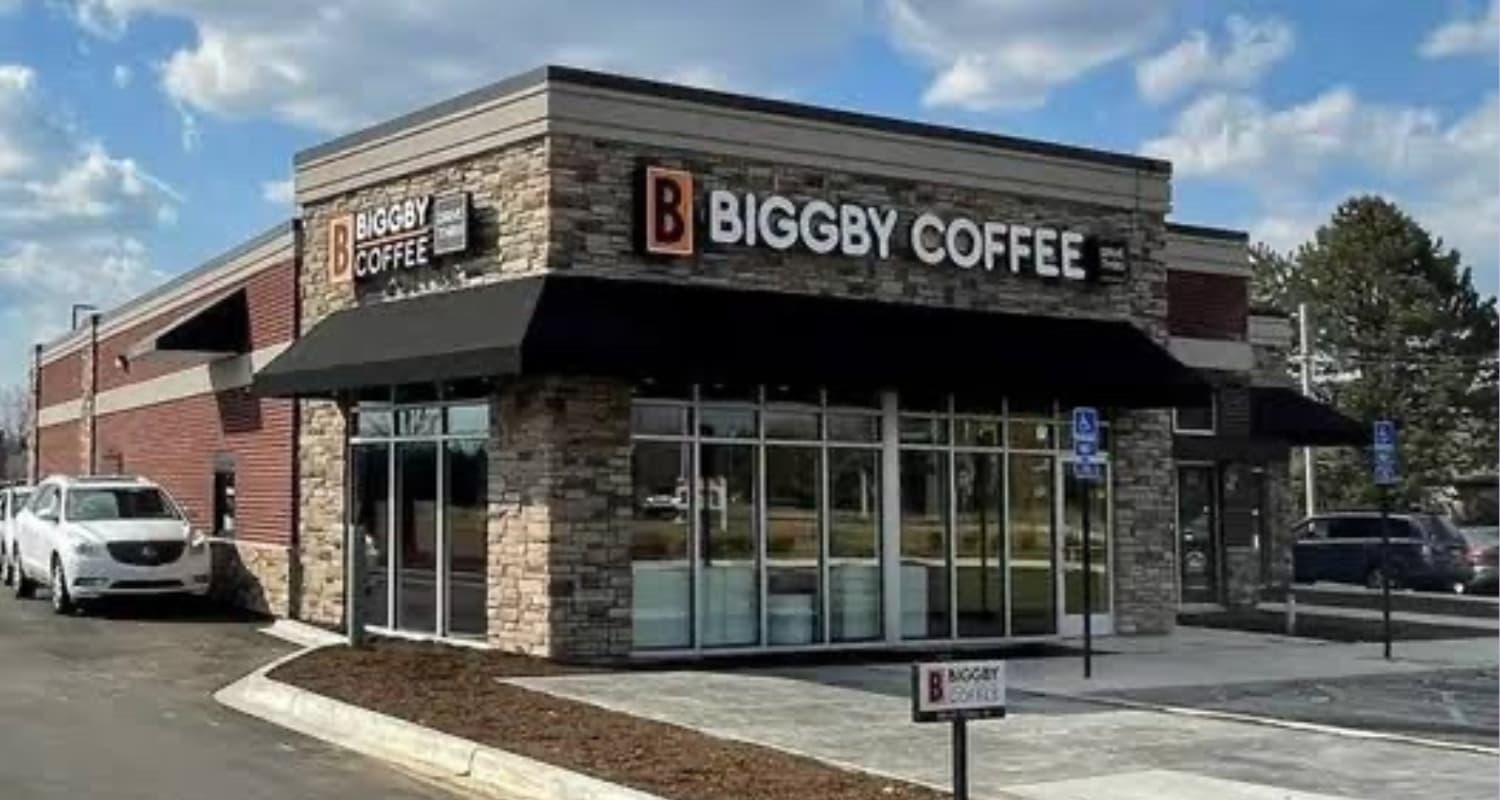
BIGGBY Franchisee
next locations
Where Should We Open the Next 20 — and Which Stores Should Close or Relocate?
Next-market planning plus close / relocate recommendations.
Automotive & car wash
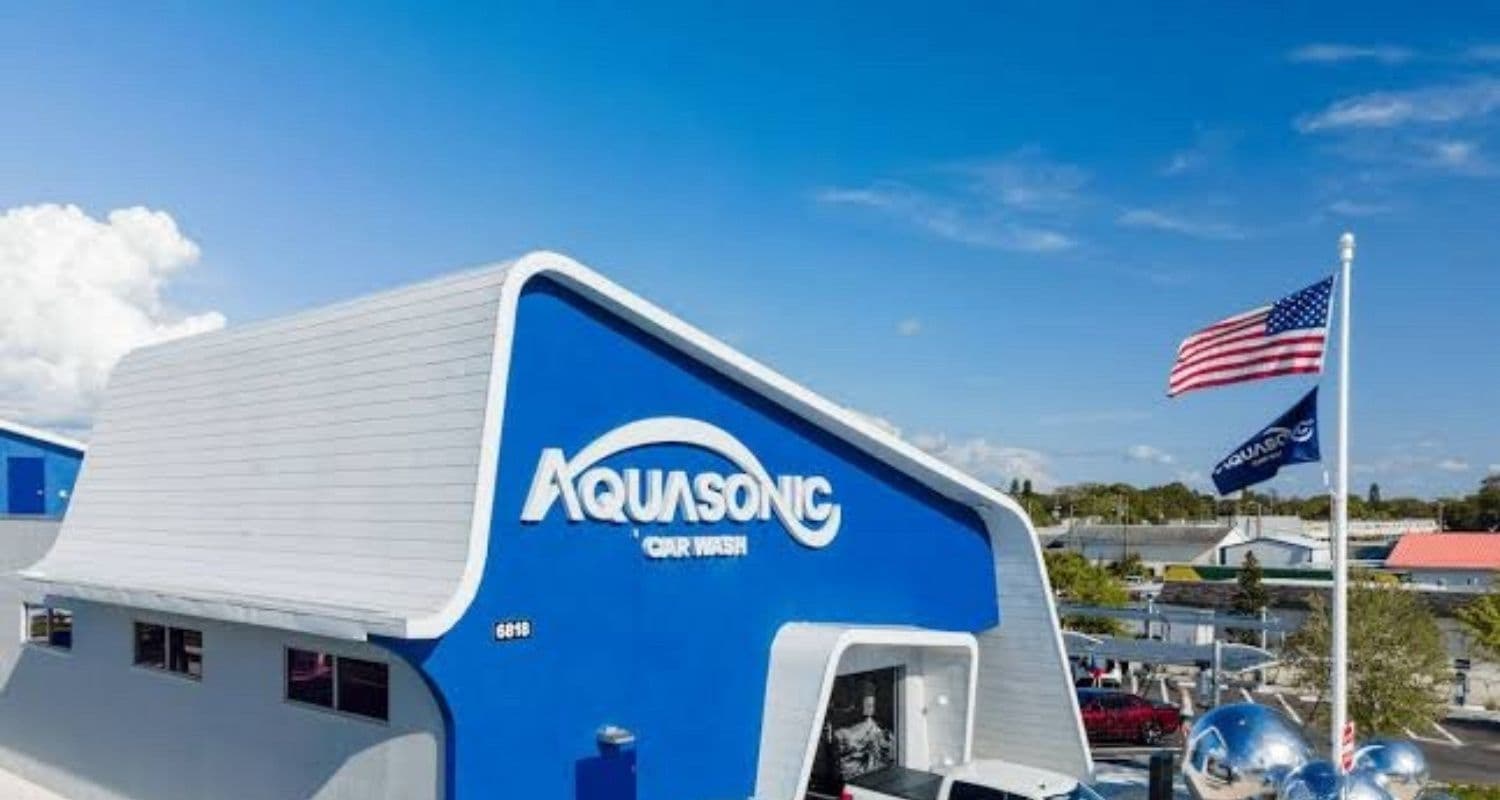
AquaSonic Car Wash
before investment
Which Locations Will Perform Before We Invest?
Sales forecasting and high-performing site prioritization before capital deployment.
Emerging restaurants
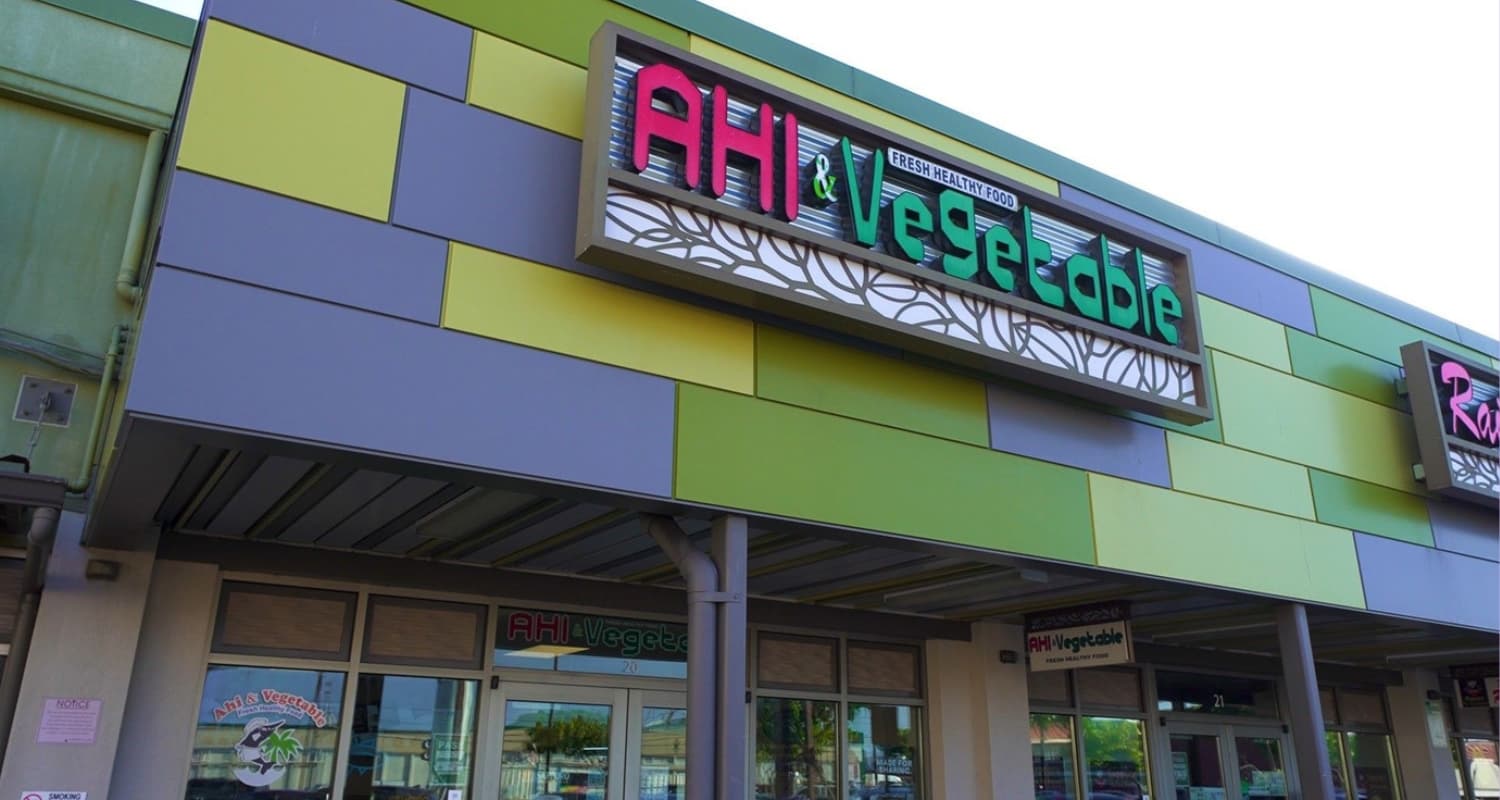
Ahi & Vegetable
right location
We May Only Open One Store. Can We Forecast It Accurately?
Precision site modeling for one high-confidence opening over 12–18 months.