Case study
Grease Monkey
Automotive
How do you double a quick-lube brand in three years without opening the wrong stores?
Site scoring, store-level sales forecasts, and cannibalization analysis helped a franchise system open new locations quickly across new states, while protecting the revenue of the stores already in the field.
Problem
What Was at Stake?
Grease Monkey, founded in 1978, is the flagship brand of FullSpeed Automotive, headquartered in Greenwood Village, Colorado. The brand has more than 460 auto centers across the United States, China, Colombia, Mexico, and Saudi Arabia, within a family of more than 900 franchised and company-owned locations.
The goal was bold: double the brand in three years. Between September 2024 and mid-2025 alone, Grease Monkey added 47 locations, in markets as varied as Georgia, Idaho, North Carolina, South Dakota, California, and Texas. Growth came from new franchisees, existing multi-unit operators, and conversions of independent lube shops.
That mix creates a siting problem. Each market has its own traffic patterns, competitor density, and customer mix, and a quick-lube store lives or dies on visibility, ease of entry, and drive-time convenience. Those change block by block.
Three questions, on deal timelines
- Where do we open next? Which markets and parcels can support a new store?
- How much will each store sell? Franchisees invest real capital, and a forecast has to hold up before a lease is signed.
- What does a new store do to its neighbors? Opening too close to an existing Grease Monkey just moves sales from one franchisee to another.
MapZot.AI work
How the Decision Was Modeled
Every candidate market and parcel was scored on the same criteria, so Noble’s team could compare sites and brands at a glance instead of waiting weeks on a market study for each one.
AccuSite.AI site selection scored sites on trade-area demand, vehicle ownership and age, daytime population, and nearby retail anchors, in one ranked view across every target state.
TrafficRX and drive-time layers showed which corner wins: median traffic by road segment from cellphone data, plus drive times to the households and commuter routes that feed a lube bay.
Store-level Sales Forecasting projected the opening ramp and stabilized revenue for each candidate, so franchisees could see expected performance before committing to a lease or build.
Cannibalization and Impact analysis estimated how much a new store would pull from nearby Grease Monkey locations, separating infill sites that add system sales from sites that only redistribute them.
Competitor Intelligence showed which quick-lube and tire-and-service competitors sit in each trade area, how they perform, and which conversion targets already have a proven customer base.
White Space Analysis surfaced under-served markets and tracked how new stores performed against forecast across the footprint.
Outcome
What Became Clearer?
With MapZot.AI’s site scoring and forecasts, Grease Monkey and its franchisees moved quickly in the markets that fit the brand’s growth plan.
Dallas–Fort Worth
Six stores in one week across Dallas, The Colony, McKinney, and Frisco, nearly doubling the brand’s footprint in the region. Five were conversions of existing Wash Guys Lube Auto Centers.
Western U.S.
A three-year plan for nine locations across Colorado, Idaho, Nevada, and Utah, with the first store open in Las Vegas.
Florida
A three-unit agreement in Polk County: Winter Haven, Dundee, and Auburndale.
Texas
Odessa opened in December 2025.
First half of 2026
Nine openings, including four in Billings, Montana, plus Laurel, MT; Reynoldsburg, OH; Rexburg, ID; Valrico, FL; and Woodlawn, MD.
Cost of being wrong
When one store misses
A wrong site means a franchisee carrying a 15-year commitment on a store that never reaches its forecast, or a new store that quietly pulls sales from a neighbor.
In a system adding stores this quickly, a few misses spread across many states can slow the whole plan.
The goal was not more data. The goal was to forecast each store’s revenue and its impact on nearby stores before capital, leases, and construction time were locked in.
Explore more
Related Location Decisions
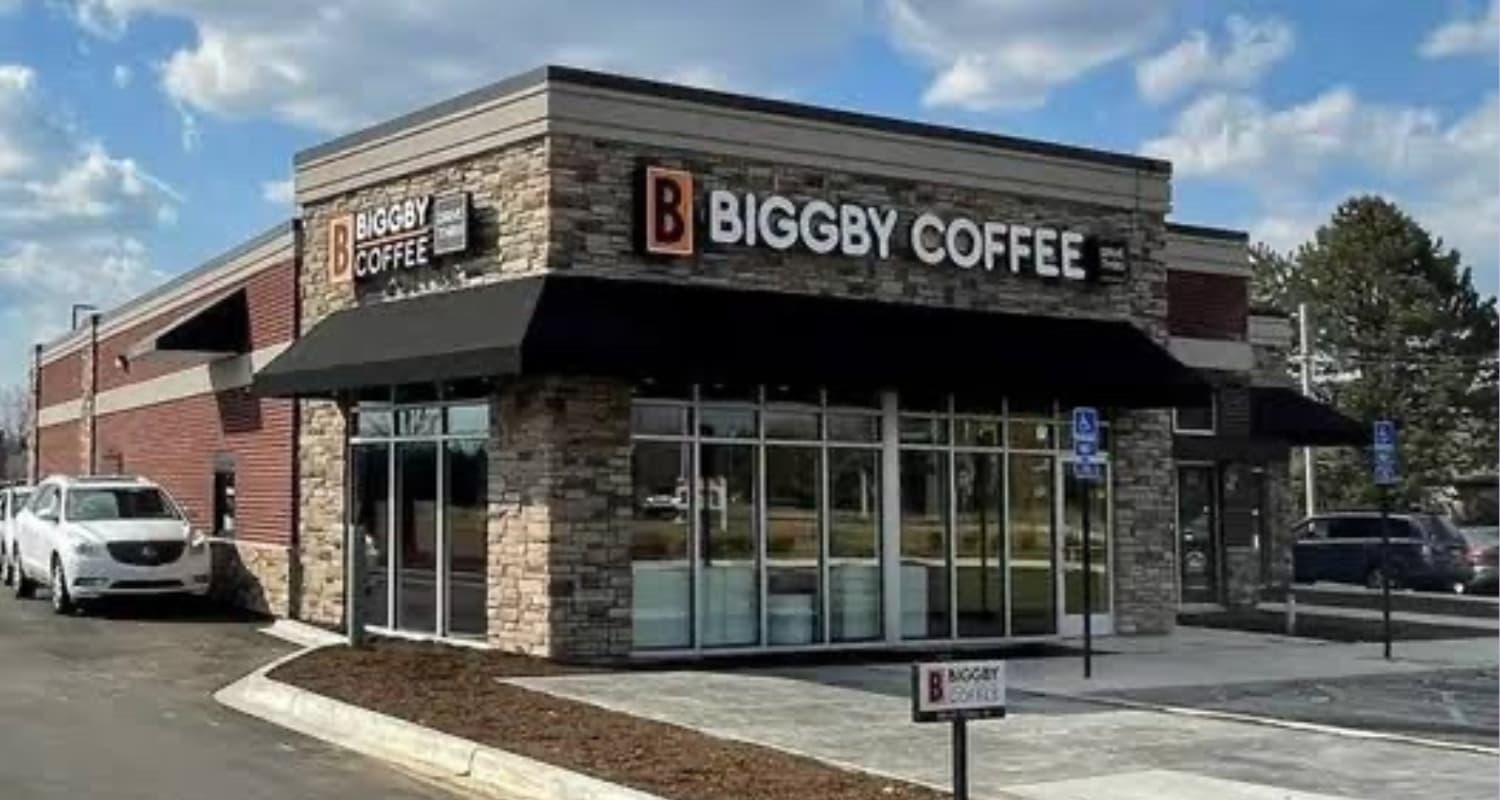
Franchise & multi-unit
BIGGBY Franchisee
next locations
Where Should We Open the Next 20 — and Which Stores Should Close or Relocate?
Next-market planning plus close / relocate recommendations.
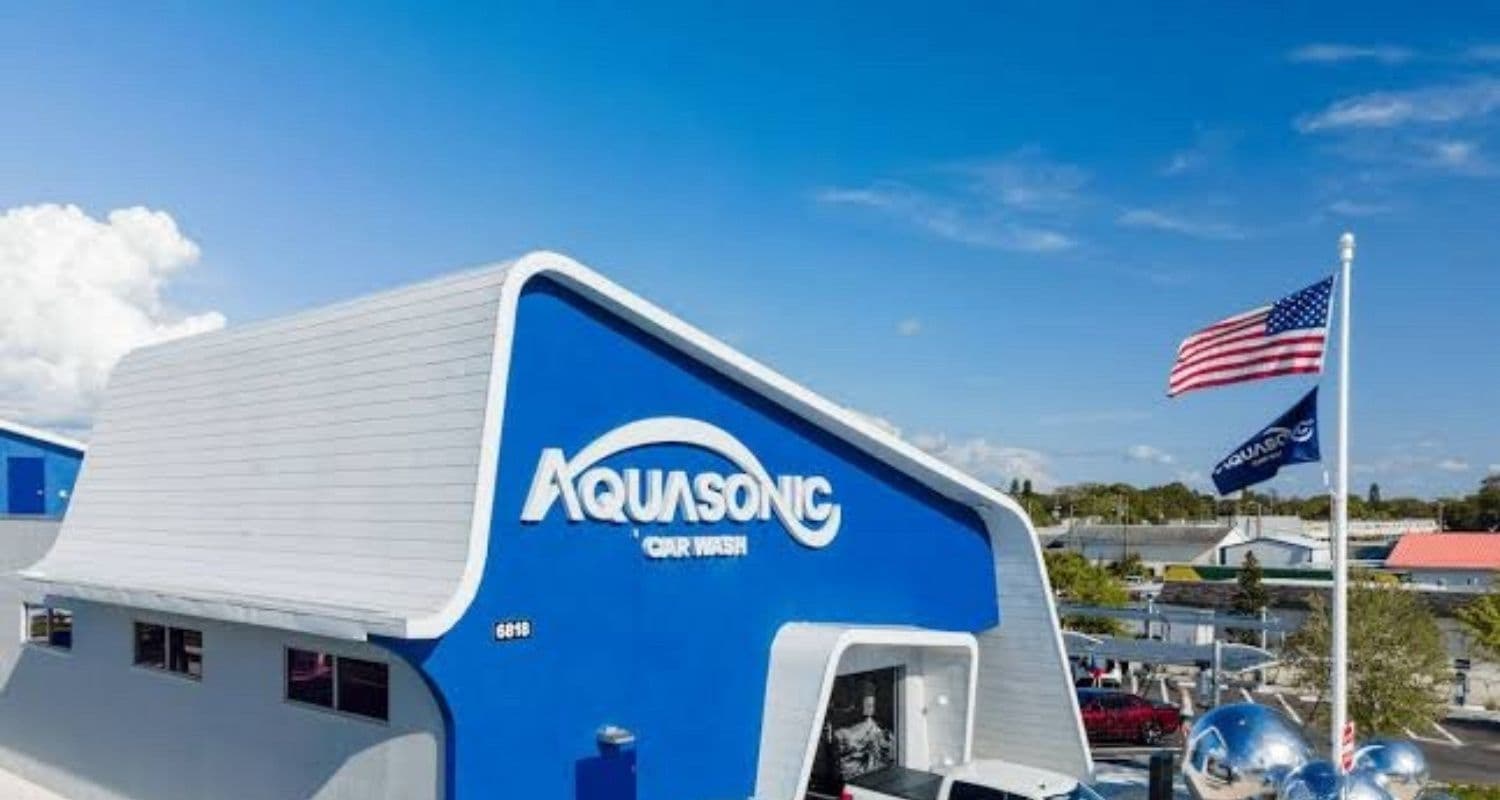
Automotive & car wash
AquaSonic Car Wash
before investment
Which Locations Will Perform Before We Invest?
Sales forecasting and high-performing site prioritization before capital deployment.
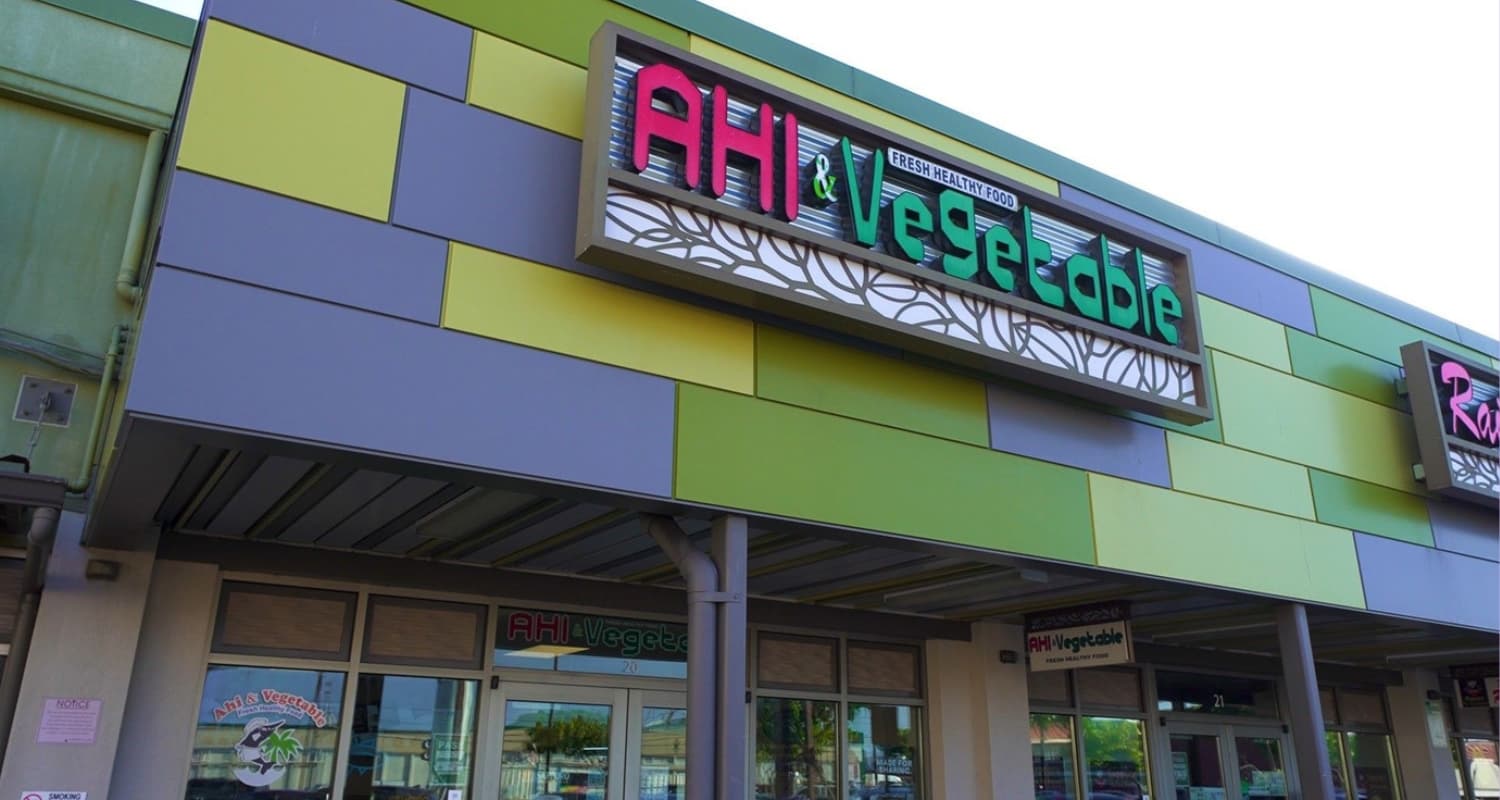
Emerging restaurants
Ahi & Vegetable
right location
We May Only Open One Store. Can We Forecast It Accurately?
Precision site modeling for one high-confidence opening over 12–18 months.