Case study
Parker's Kitchen
Gas Stations & C-Stores
Which New Markets Are Worth the Land and Which Stores Are at Risk?
Site scoring and cannibalization modeling for a fuel-and-kitchen format expanding across Georgia and South Carolina.
Problem
What Was at Stake?
Parker's Kitchen has grown from a single Savannah store since 1976 into one of the Southeast's largest independent convenience and fuel retailers, and the growth hasn't slowed. Each new location combines a full kitchen, a c-store, and a fuel operation on a minimum of an acre of land — a build that only works on a site with the right traffic counts, the right intersection control, and the right zoning for fuel and beer/wine sales.
That combination narrows the list of viable parcels fast. But land, fuel infrastructure, and a multi-decade lease get locked in long before the doors open. Committing to the wrong corner in a new market — or opening too close to an existing Parker's — meant tying up millions in capital on a site that couldn't earn its way out.
MapZot.AI work
How the Decision Was Modeled
Outcome
What Became Clearer?
Cost of being wrong
$2M–$4M Per Location
Opening on a Weak Site Locks Capital Into Land, Fuel Infrastructure, and a 20-Year Lease
The goal was not more data. The goal was a cleaner decision before capital, lease commitments, buildout time, and leadership attention were locked in.
Explore more
Related Location Decisions
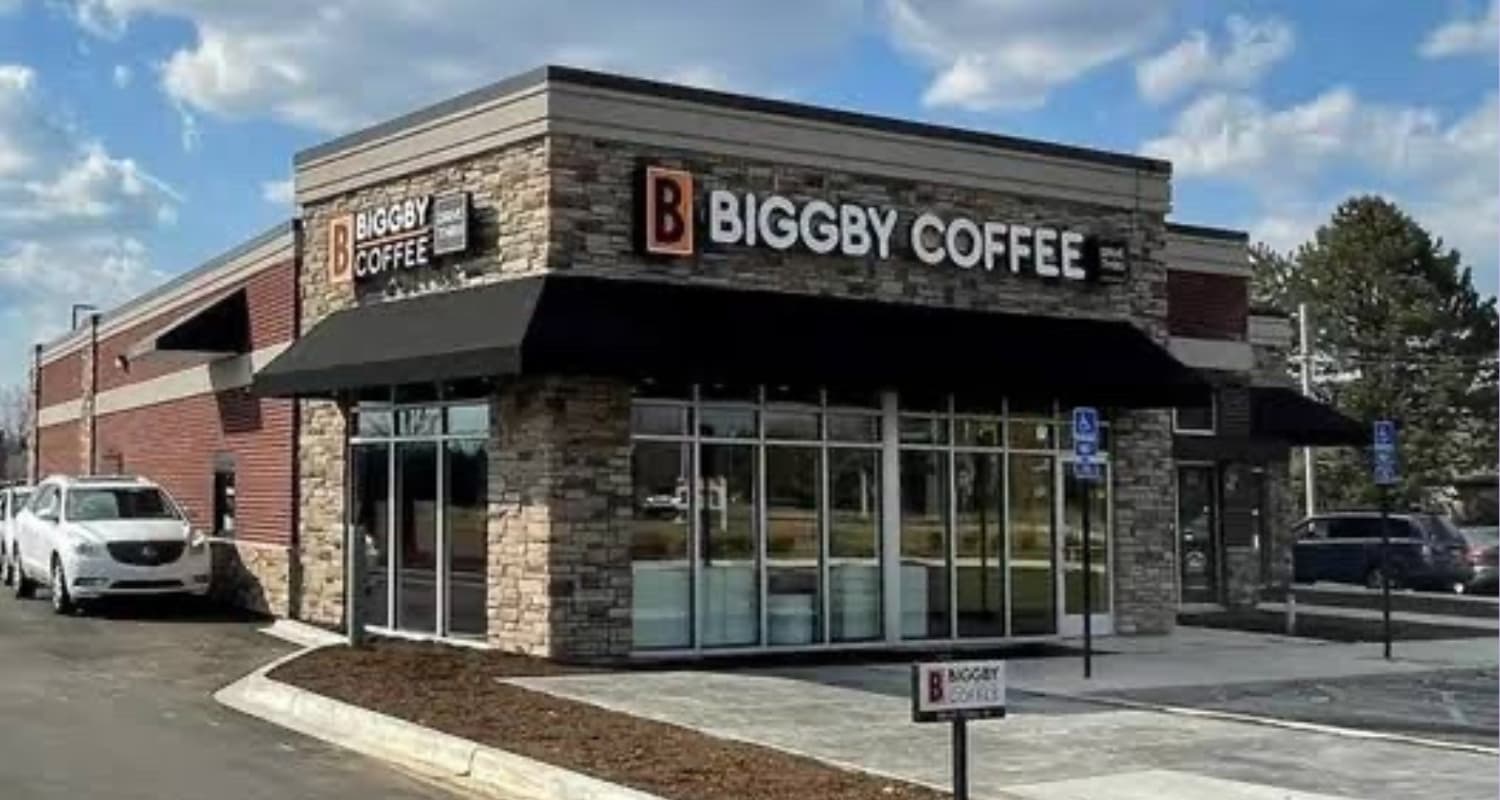
Franchise & multi-unit
BIGGBY Franchisee
next locations
Where Should We Open the Next 20 — and Which Stores Should Close or Relocate?
Next-market planning plus close / relocate recommendations.
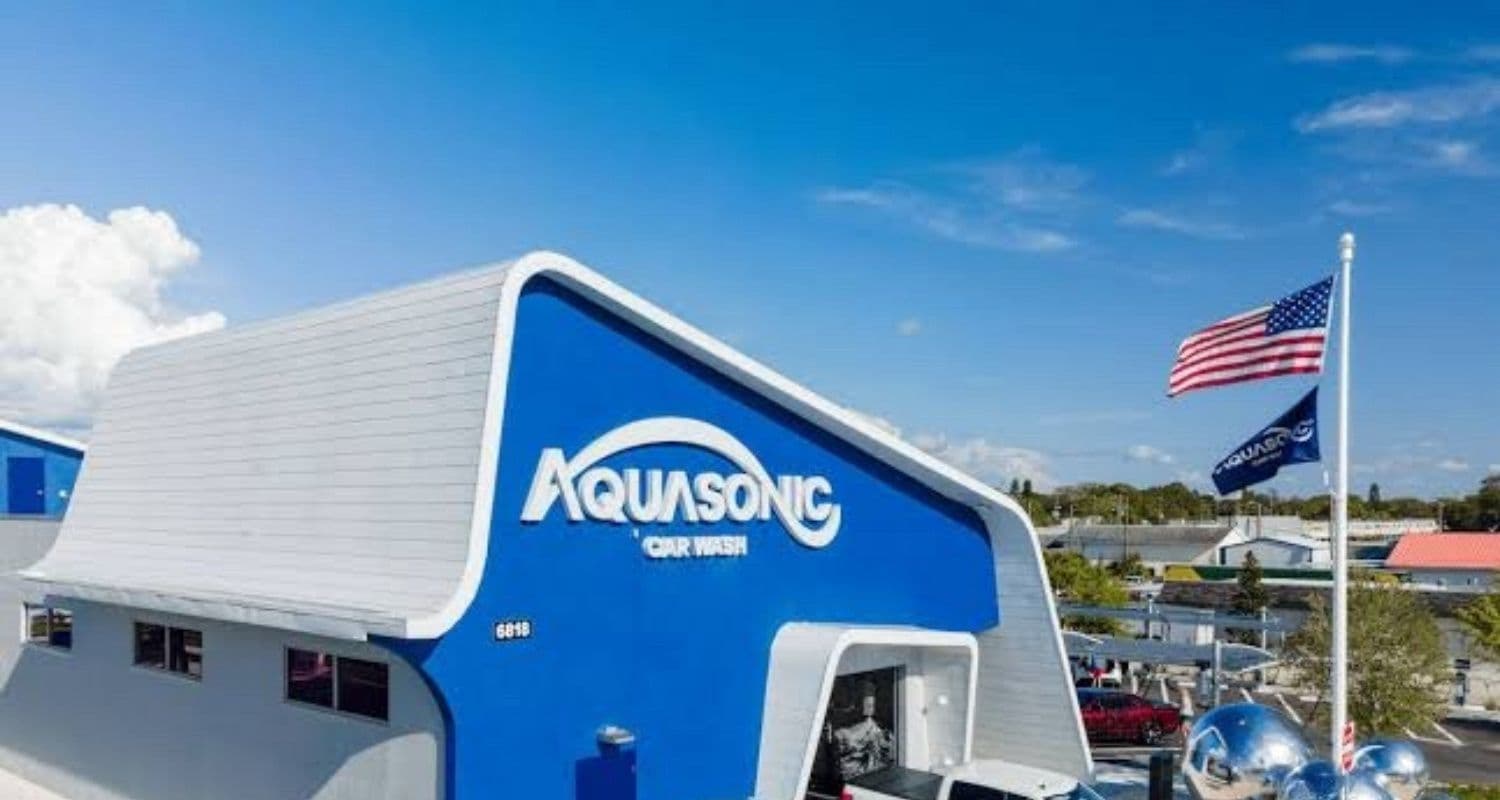
Automotive & car wash
AquaSonic Car Wash
before investment
Which Locations Will Perform Before We Invest?
Sales forecasting and high-performing site prioritization before capital deployment.
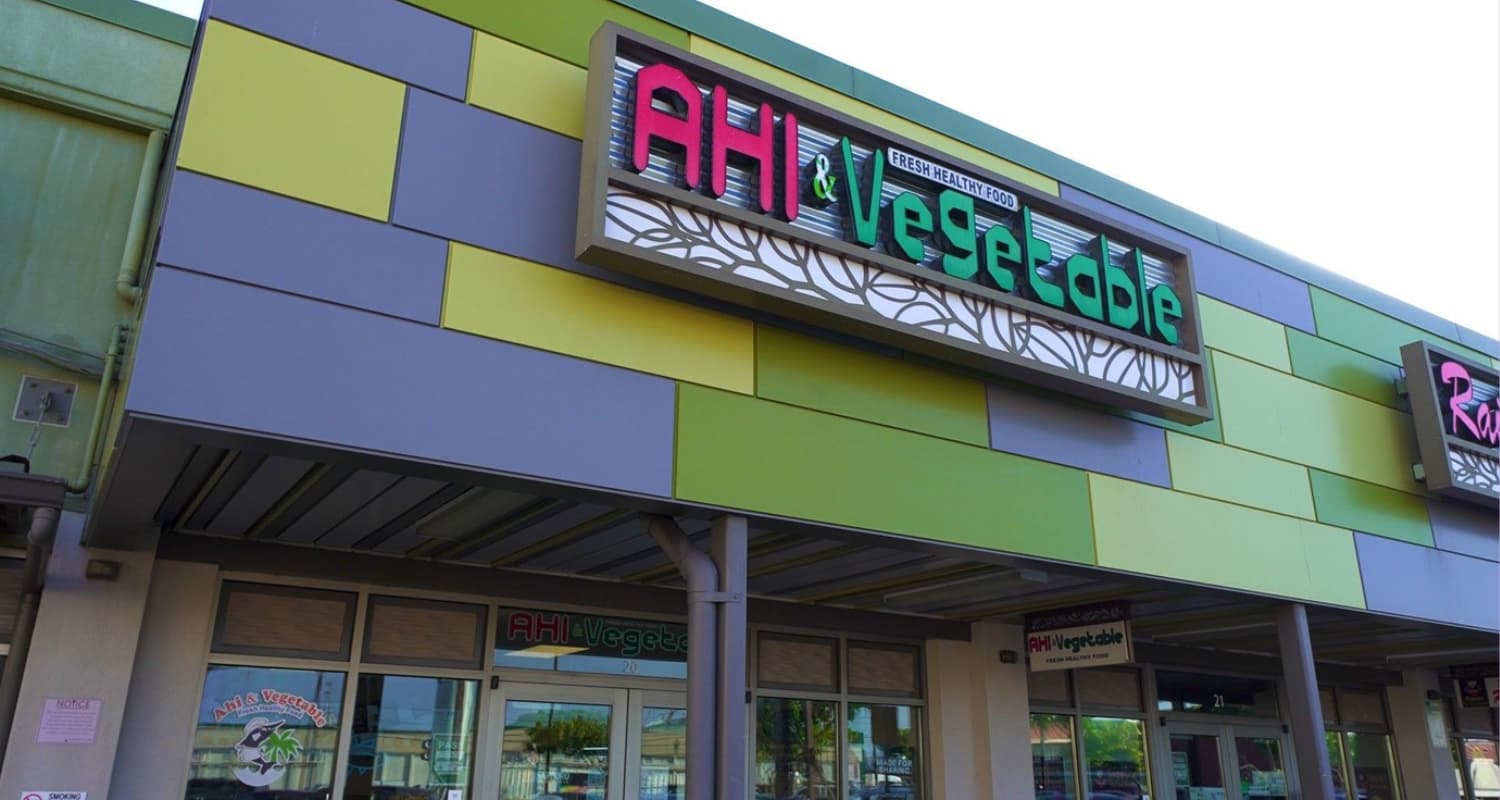
Emerging restaurants
Ahi & Vegetable
right location
We May Only Open One Store. Can We Forecast It Accurately?
Precision site modeling for one high-confidence opening over 12–18 months.