Record-breaking ticket sales aren't just a Hollywood story. They're showing up as foot traffic in downtown districts and strip malls across the country, and the data says Gen Z is the one buying the popcorn.
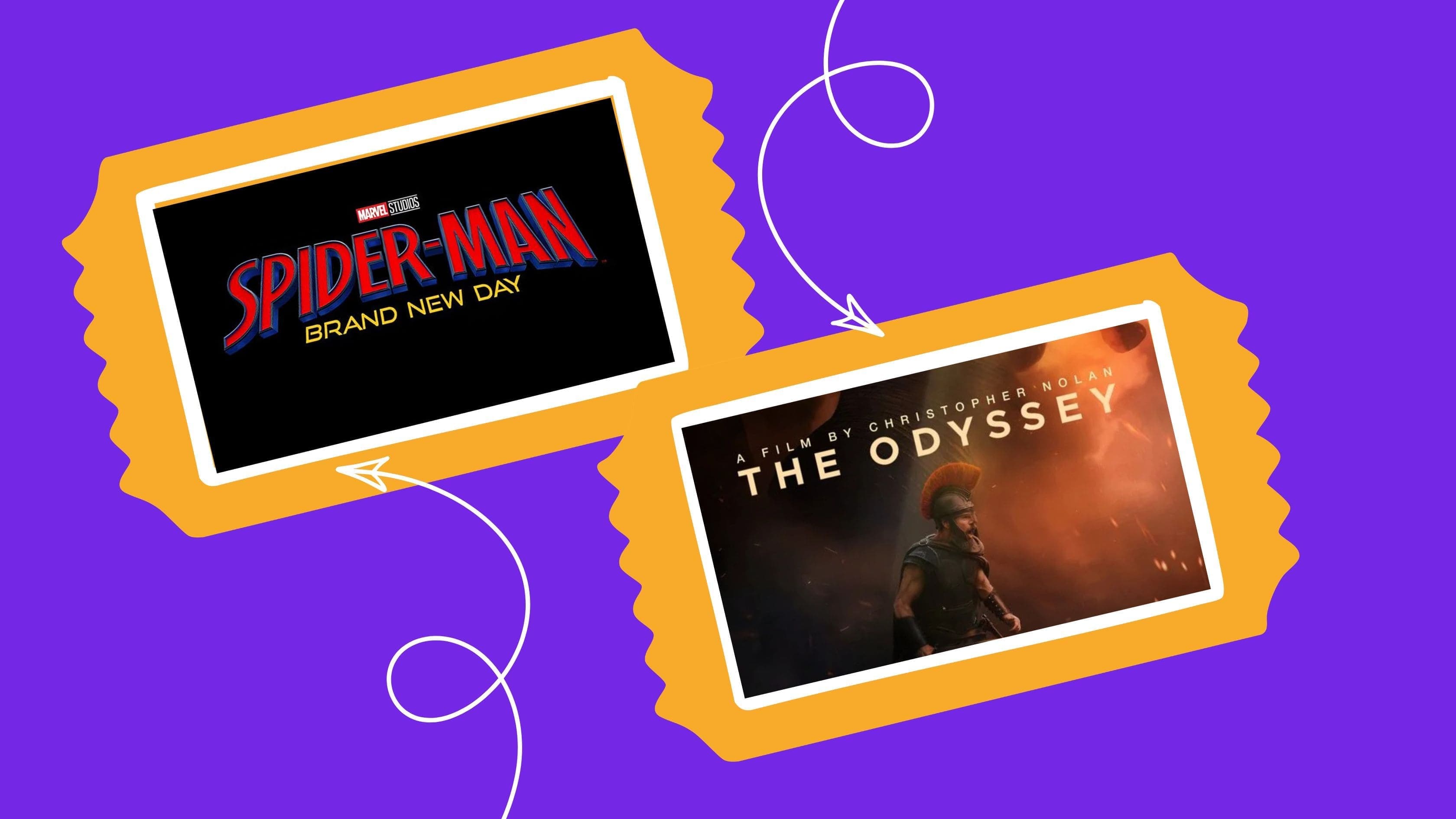
For most of the past five years, the story of the American movie theater has been one of managed decline, shrinking screen counts, empty weeknight showtimes, and headlines wondering aloud whether Gen Z would ever leave the couch. In 2026, that story flipped. Spider-Man: Brand New Day and Christopher Nolan's The Odyssey didn't just post historic numbers for the major chains; the resulting surge in moviegoing is showing up on Main Street, too, in the foot-traffic counters of single-screen and second-run theaters that have spent years fighting for survival.
For anyone who tracks physical retail, theater operators, landlords, downtown business districts, and the restaurants and shops that share a parking lot with a marquee, this is more than an entertainment headline. It's a measurable shift in where people are choosing to spend their Friday nights, and it's worth understanding at the data layer, not just the box-office-chart layer.
The comeback, by the numbers
The headlines have been relentless for years, "the box office comeback that wasn't" ran more than once. But the first seven months of 2026 changed the conversation. Global ticket sales are running about 15% ahead of last year, putting the industry on pace for its best annual total since 2019. Five films have already crossed the $1 billion mark, and two more, both released within weeks of each other this summer are largely responsible for the acceleration.
Industry analysts now expect 2026 to close as the highest-grossing year domestically and globally since 2019, with the summer alone projected near $4 billion. And the momentum isn't riding on franchise names alone, original, mid-budget titles like Project Hail Mary and the surprise hit Obsession also over-performed, a sign that audiences are simply going out more, not just showing up for one tentpole.
It isn't just the multiplex — small theaters are feeling it too
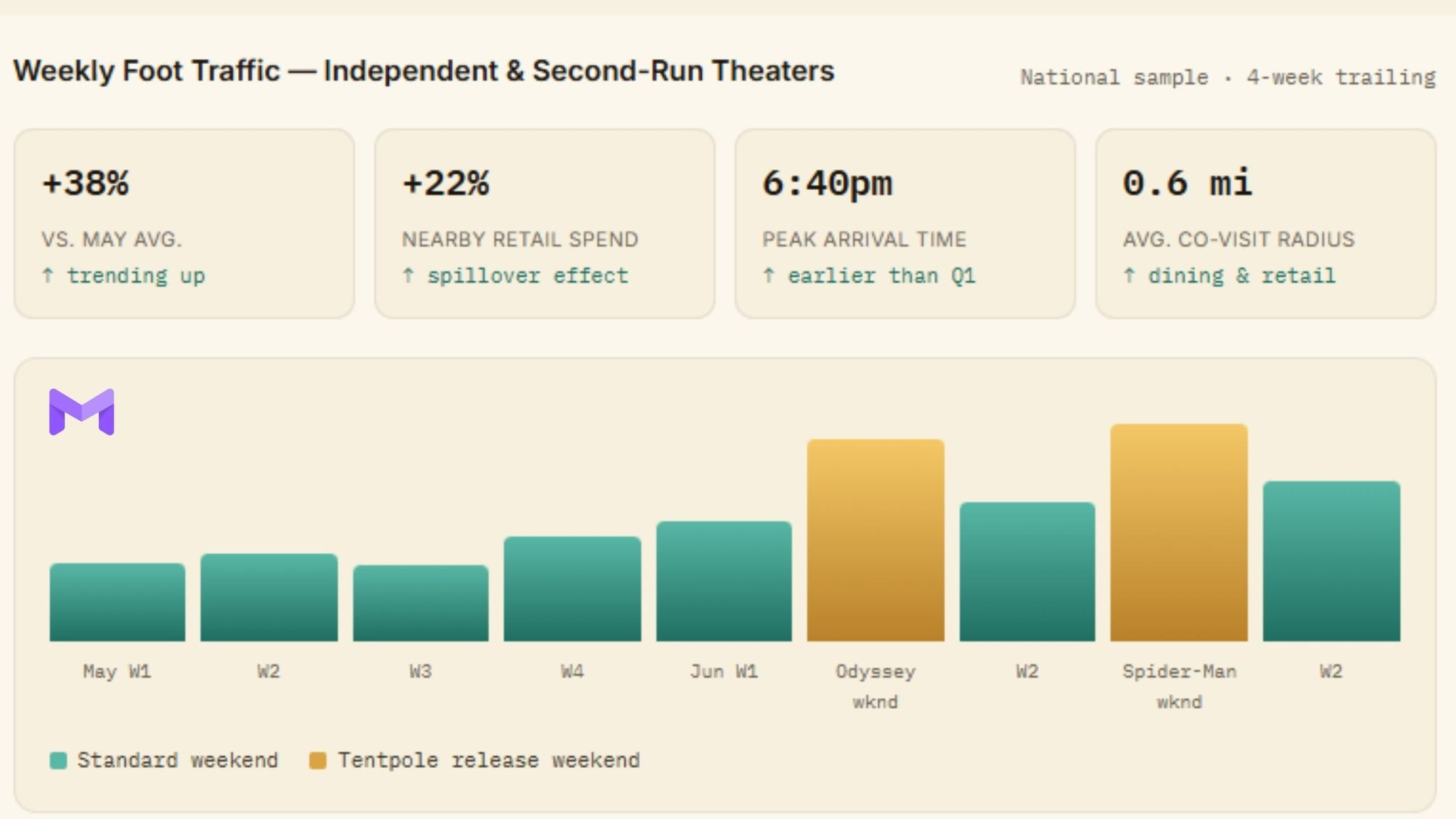
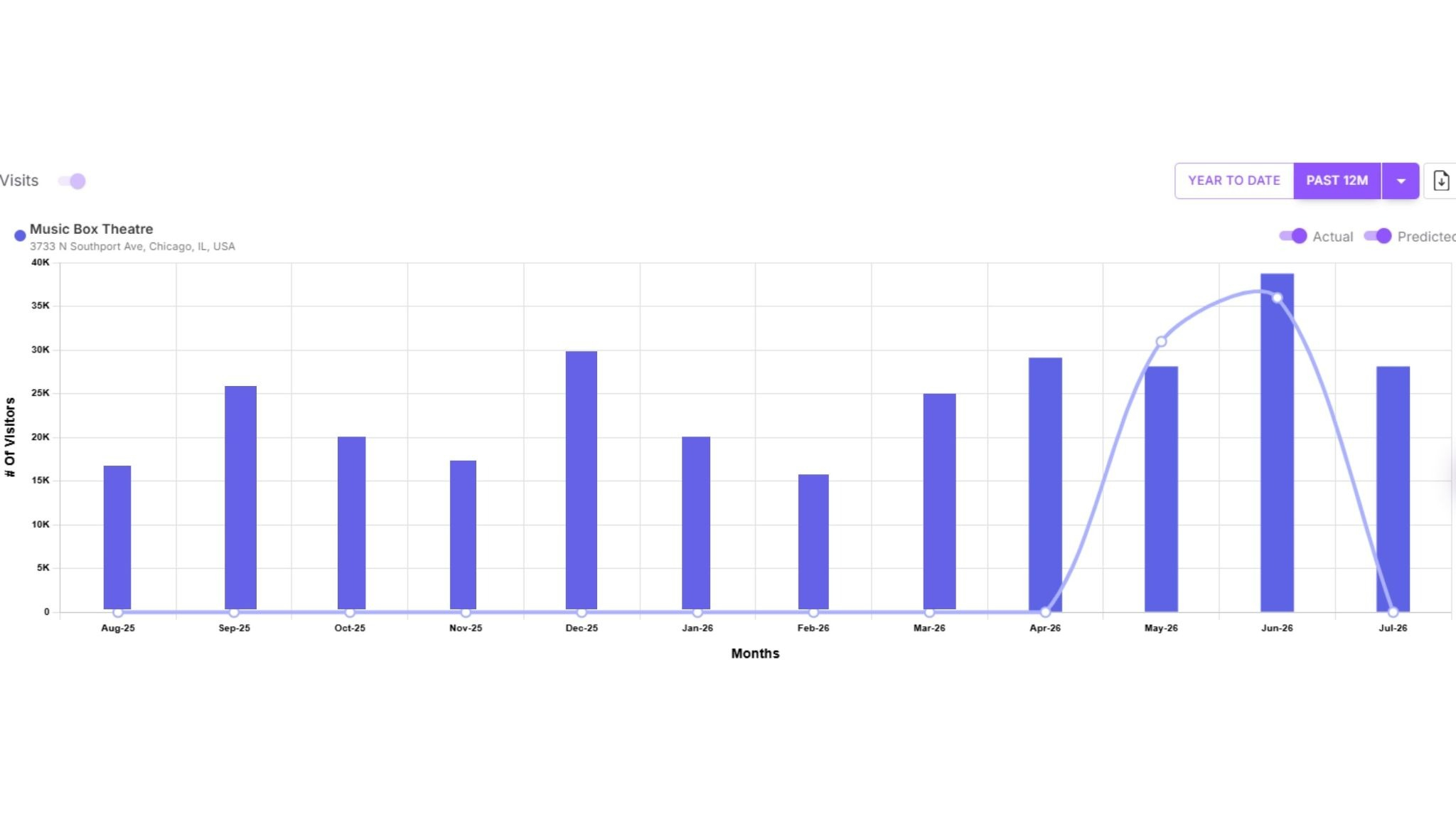
Big chains were always going to capture the first wave of a Spider-Man-and-Nolan summer. What's notable in 2026 is how far the effect has traveled downstream. Independent and second-run theaters — the kind of single-screen or three-screen operations that define a small town's Friday night — are reporting their strongest walk-in numbers in years, driven by overflow demand once nearby multiplexes sell out, and by audiences actively seeking out the character and lower ticket prices of a local house.
That matters because small-market exhibitors have spent the last several years fighting genuinely structural headwinds: mandatory multi-week theatrical windows that tie up limited screens, thin margins on 200-to-300 seat houses, and the slow disappearance of the mid-budget films that used to fill a Tuesday night. A single blockbuster summer doesn't erase any of that. But it does something a marketing campaign can't — it puts real bodies back in seats and gives operators fresh data to plan around, from concession spend to staffing to what to book next.
Gen Z: the surprise hero of cinema's comeback
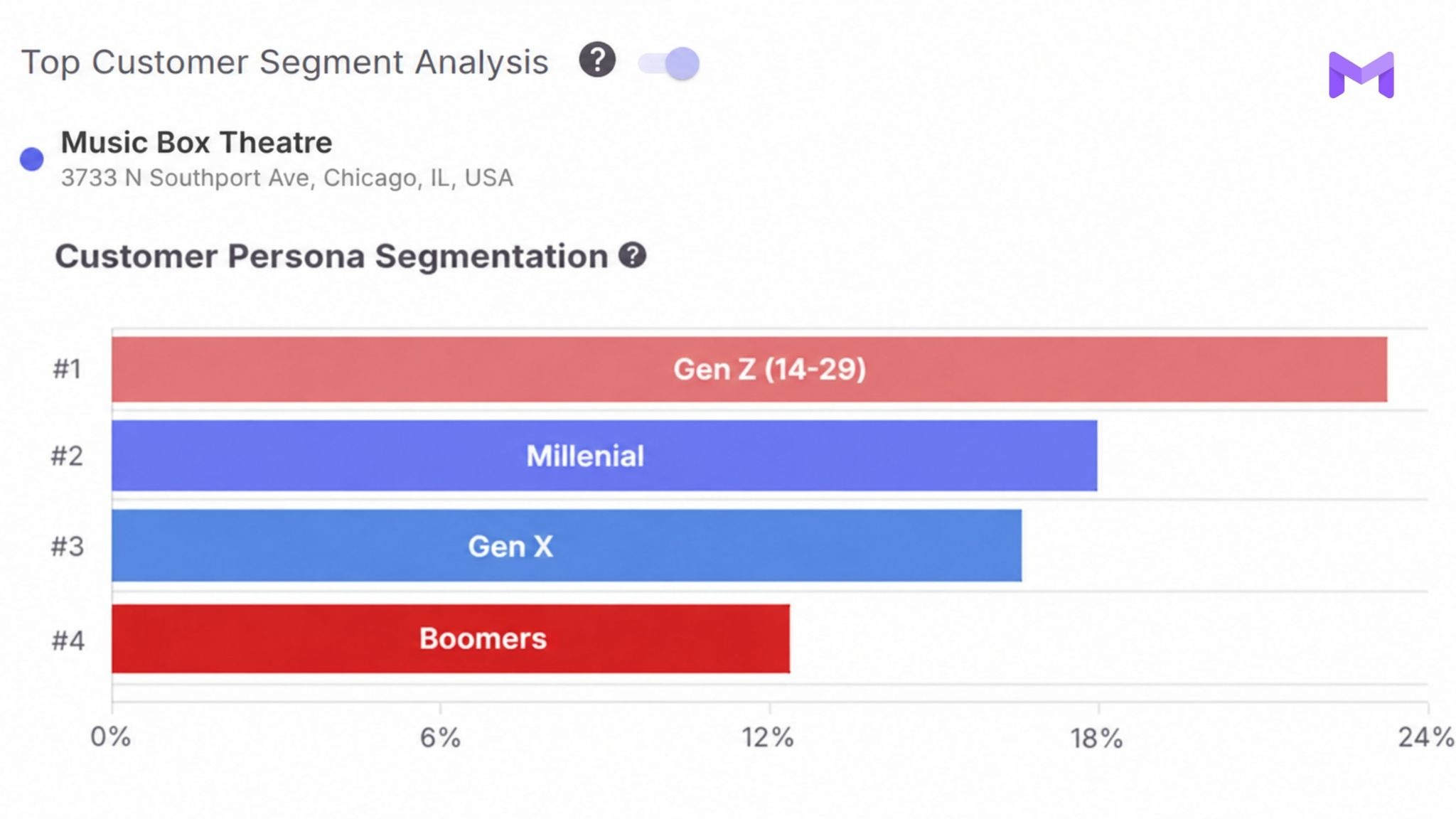
The generation that grew up with a streaming subscription in one hand and a phone in the other was supposed to be the one that finished off the theatrical business. Instead, it's the one bringing it back. Gen Z accounted for roughly 40% of all North American movie audiences in 2025, and this summer's numbers suggest that share is still climbing.
Part of the explanation is cultural rather than cinematic. A movie now functions as a live event on social platforms, a wave of posts, reactions, and spoiler-avoidance pressure that rewards seeing something in the first 48 hours, in a room full of other people, rather than waiting for it to show up on a streaming home screen. The Odyssey's limited 70mm IMAX presentation created genuine scarcity, with hard-to-get showtimes and extended runs. Brand New Day's tightly guarded plot did the same thing through mystery and fandom. Neither effect works from a couch.
What this means for site selection and retail real estate
A box-office headline is a lagging indicator. Foot traffic, dwell time, and catchment demographics are the leading ones, and they're exactly what decision-makers need before they commit capital to a lease, an expansion, or a renovation near an entertainment anchor.