
Walk into an El Super, an H-E-B, an ALDI, a Costco, or a 99 Ranch Market this week, and you're not just looking at a grocery run. You're looking at a demographic story playing out in real time, and foot traffic data is one of the clearest ways to watch it happen.
For years, the retail industry treated Gen Z as a segment to react to. New loyalty tier here, a TikTok campaign there. But the location data tells a different story: Gen Z isn't adapting to retail. Retail is adapting to Gen Z.
That's not a marketing footnote. It's the whole shift.
For decades, grocery growth was built on a simple formula:
- Mass marketing
- National brand dominance
- Broad demographic targeting
- One-size-fits-all merchandising
The underlying assumption: consumers will adapt to us.
Gen Z flipped that assumption on its head. The expectation today is that brands and retailers adapt to the customer, their culture, their budget, their neighborhood, their values. It sounds like a subtle rewording. In foot traffic data, it shows up as a full-blown market realignment.
Convenience Is Driving More Frequent Visits
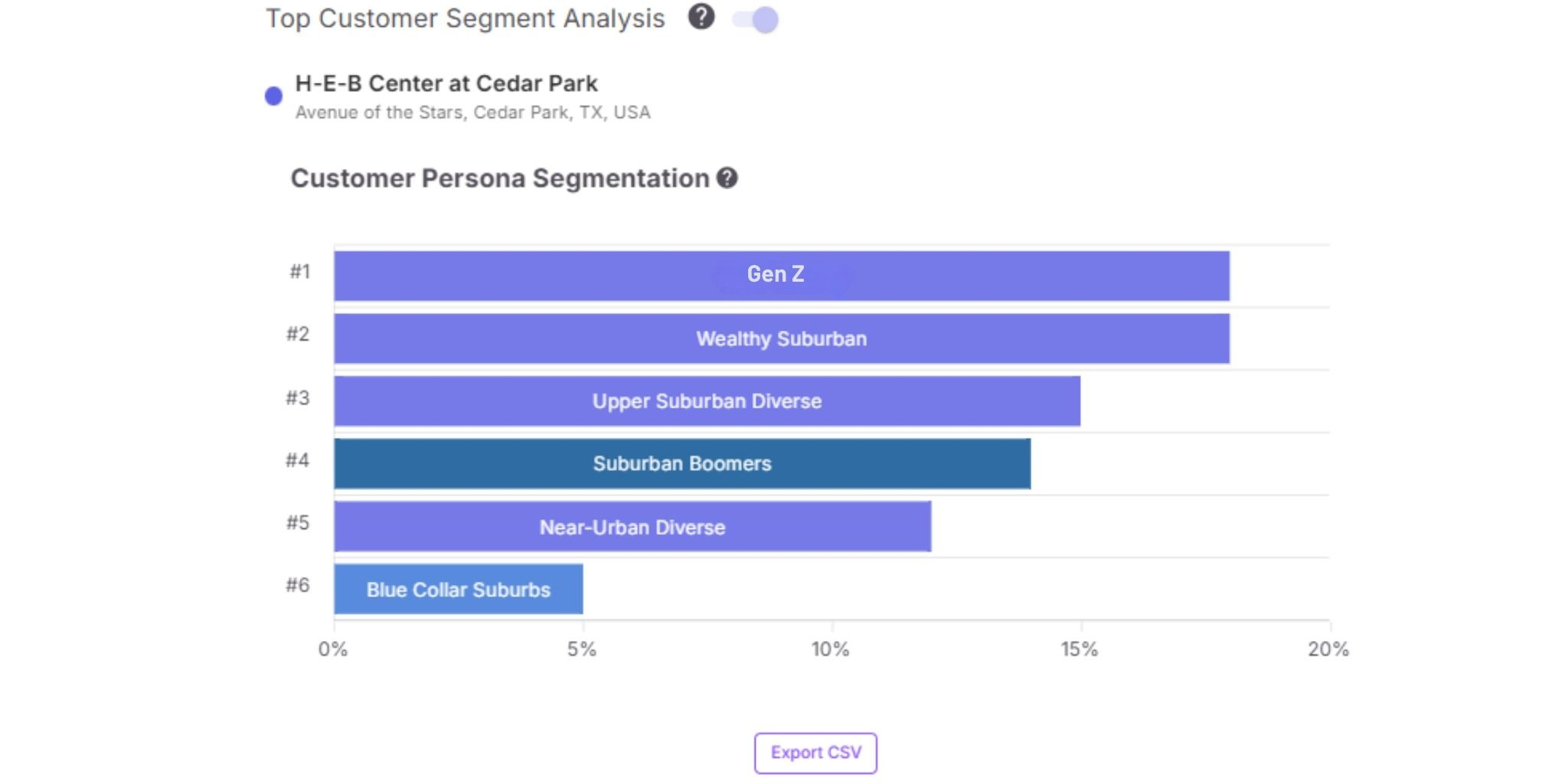
One of the clearest trends emerging from mobility data is the rise of convenience-driven grocery trips.
Rather than making a single large shopping trip each week, Gen Z consumers are increasingly visiting grocery stores multiple times throughout the week for smaller purchases. These quick visits are often tied to daily routines, whether before work, after the gym, or while commuting home.
As a result, grocery locations situated near residential communities, universities, office districts, and mixed-use developments are seeing stronger visitation from younger consumers.
The data suggests that accessibility and proximity are becoming just as important as pricing and promotions in influencing store traffic.
Short Shopping Trips Continue to Increase
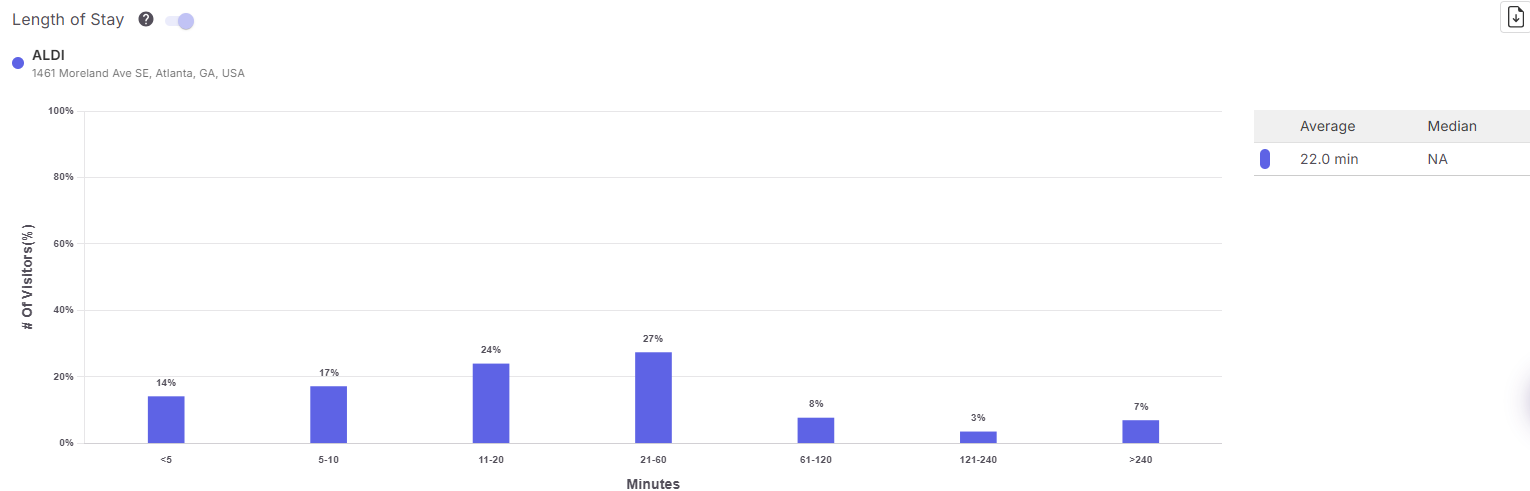
Foot traffic analysis also shows that shorter grocery visits are becoming more common among Gen Z shoppers.
Many visits are focused on purchasing ready-to-eat meals, fresh produce, beverages, or a handful of essential items rather than completing a full grocery basket.
This trend reflects broader lifestyle changes, including busier schedules, greater reliance on digital shopping lists, and increased adoption of self-checkout and mobile payment solutions.
For grocery retailers, optimizing store layouts for faster shopping experiences can improve customer satisfaction while increasing visit frequency.
Fresh and Specialty Grocery Formats Continue to Gain Momentum

Foot traffic patterns indicate growing interest in grocery retailers offering healthier products, fresh meals, organic foods, and specialty assortments.
Consumers in younger demographics increasingly prioritize quality, convenience, and product variety over traditional large-format shopping experiences.
This has created opportunities for retailers that emphasize fresh produce, grab-and-go options, and premium grocery selections.
While traditional supermarkets continue to attract consistent traffic, specialty grocery formats are steadily increasing their share of visits in many urban and suburban markets.
The El Super signal: why "smaller" chains are punching above their weight
Plenty of retail executives glance at NRF's rankings, see a chain sitting in the 50s or 60s, and move on.
Gen Z sees something else entirely: authentic food, cultural relevance, freshness, community, and value. Those five attributes are exactly what's defining next-generation loyalty — and they explain why regional and multicultural chains keep gaining ground while some larger national retailers struggle to build any emotional connection at all.
The strongest performers tend to combine:
Trust
Community
Cultural relevance
Private label credibility
Digital convenience
In-store experience
Costco figured out trust. H-E-B figured out local relevance. El Super figured out cultural connection. The retailer that figures out how to combine all three at scale may be the next major grocery winner.
What This Means for Grocery Retailers
The latest foot traffic trends suggest that grocery shopping is becoming increasingly shaped by convenience, accessibility, and lifestyle-driven purchasing habits.
Gen Z shoppers are visiting stores more frequently, spending less time per visit, and incorporating grocery shopping into broader daily routines. These shifts are changing how grocery retailers compete for traffic and highlighting the importance of location strategy.
Retailers that understand evolving visitation patterns will be better positioned to optimize store formats, improve customer experiences, and identify high-performing expansion opportunities.
How MapZot.AI Helps Retailers Understand Grocery Traffic
MapZot.AI enables grocery retailers to transform mobility data into actionable business intelligence.
With Mobilytics, retailers can analyze visitor demographics, trade areas, cross-visitation patterns, and customer journeys to better understand shopping behavior across locations.
TrafficRX provides detailed insights into traffic flow and mobility patterns that influence store performance, while AccuSite combines AI-powered site scoring with demographic, competitive, and mobility analysis to identify stronger locations for future expansion.
Together, these insights help retailers make more confident decisions based on actual consumer movement rather than assumptions.