The candy aisle has remained remarkably unchanged for decades.
Walk into almost any major retailer, and the formula is familiar: legacy brands dominate the shelves, while smaller challengers compete for limited visibility. But the most valuable real estate for a candy brand may not always be in the candy aisle at all.
It may be at checkout.
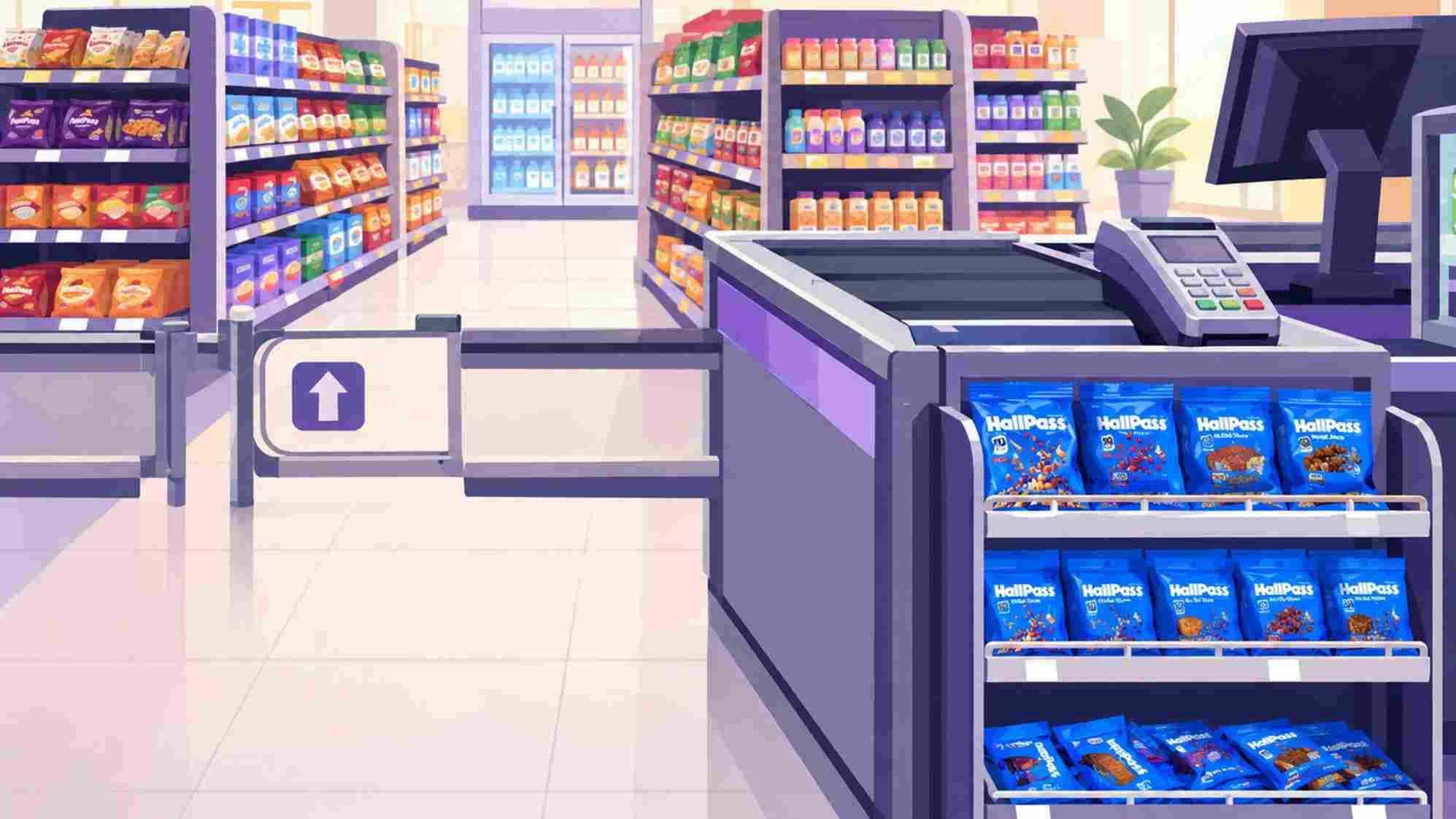
That is where HallPass could have an opportunity to rethink how consumers discover and purchase candy. The new better-for-you confectionery brand has just launched nationwide at Walmart, introducing three products—Peanut Cups, Peanut Creme Crispy Wafers, and Chocolatey Candy Pieces—each with 70 calories and 1 gram of sugar per serving.
But HallPass' potential disruption goes beyond creating a lower-calorie alternative.
It raises a much bigger retail question:
What happens when a product traditionally associated with one aisle begins winning customers somewhere else entirely?
The Checkout Lane: Retail's Last Opportunity to Influence a Purchase
Checkout lanes have always been valuable retail real estate.
Unlike shoppers navigating a specific aisle in search of a planned purchase, customers standing at checkout are in a different mindset. Their primary shopping journey may be complete—but they are still surrounded by opportunities for discovery and impulse purchases.
For traditional candy brands, this environment has historically been a natural fit.
But HallPass enters the space with a different proposition.
Its products are designed to replicate familiar candy experiences while significantly reducing calories and sugar. The brand has positioned itself around delivering the experience of traditional candy without the nutritional tradeoffs—or the premium price often associated with better-for-you alternatives.
That positioning could make checkout placement especially interesting.
A shopper may not enter Walmart looking specifically for a low-sugar candy alternative. But when presented with one during the final moments of their shopping journey, the product has an opportunity to turn discovery into an impulse purchase.
The question is no longer simply, “Which candy aisle should HallPass compete in?”
It becomes:
“Where in the store is a consumer most likely to say yes?”
HallPass Is Entering Walmart at a Moment When Better-For-You Products Are Going Mainstream
HallPass launched nationwide at Walmart on August 30, 2026, marking a significant retail debut for the brand. The launch includes three familiar candy formats, strategically designed to appeal to consumers who already understand and enjoy the products HallPass is seeking to reinvent.
This is part of a broader shift happening across retail.
The boundaries between traditional product categories are becoming less rigid. Better-for-you brands are increasingly moving away from specialized health and wellness sections and into mainstream shopping environments where consumers naturally browse.
A recent example is the movement of protein products into conventional snack sections rather than limiting them to sports nutrition aisles. The underlying strategy is simple: products perform differently when they are placed where consumers naturally expect to discover and consume them.
For HallPass, the opportunity could be even more interesting.
Candy is already an impulse-driven category.
The challenge is identifying the precise locations within a store where the right consumer, at the right moment, is most receptive to the product.
From Product Placement to Location Intelligence
A national launch creates scale.
But location intelligence can help create precision.
This is where MapZot.AI can provide a strategic advantage for emerging CPG brands and retailers looking to understand the physical world behind consumer purchases.
Imagine analyzing a retailer's footprint and identifying:
High-Opportunity Store Locations
MapZot.AI can help businesses analyze locations based on multiple factors, including surrounding demographics, mobility patterns, consumer behavior and market characteristics.
For a brand like HallPass, this could help identify markets where a better-for-you candy proposition may resonate most strongly.
Traffic and Consumer Movement Patterns
Not every retail location experiences the same level of consumer activity.
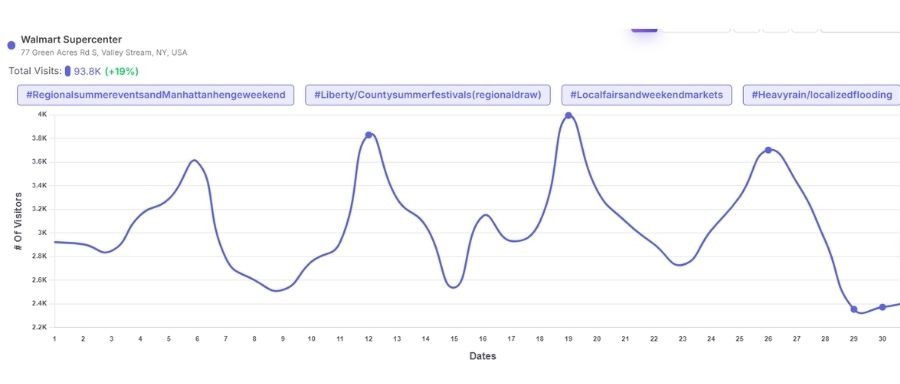
Using mobility and traffic intelligence, brands can better understand which locations generate the strongest opportunities for product discovery and exposure.
A high-traffic Walmart location may provide a very different opportunity from a lower-volume store—even when both stores carry the exact same products.
Competitive Whitespace
The biggest opportunity isn't always where competitors are strongest.
Sometimes it exists where consumer demand is growing but product availability remains limited.
What HallPass Can Teach the CPG Industry
HallPass' Walmart launch represents more than the arrival of another candy brand.
It highlights a broader transformation happening across consumer retail.
Products are increasingly competing beyond their traditional categories. Protein is moving into mainstream snacking. Better-for-you products are becoming more accessible. And physical placement is becoming an increasingly important part of the consumer experience.
For CPG brands, retailers and real estate decision-makers, the implications are significant.
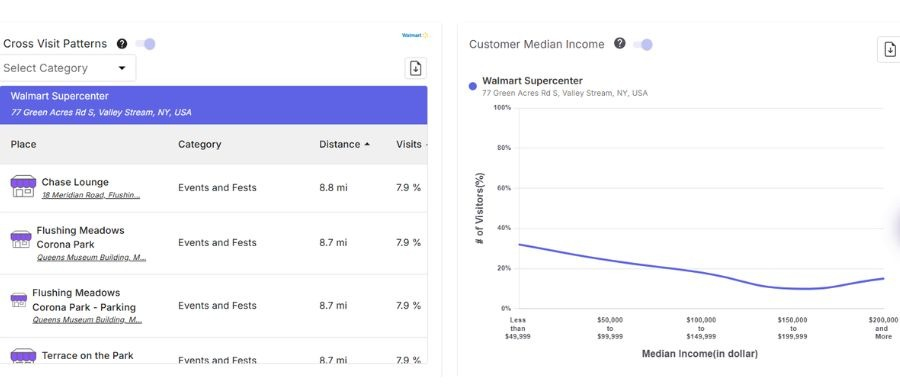
Success will increasingly depend on understanding three things:
1. Who Is Visiting?
Understanding the consumer is the foundation of every successful retail strategy.
2. Where Are They Shopping?
Location matters—but so does the context surrounding that location.
3. What Moment Creates the Best Opportunity to Convert?
The journey from discovery to purchase isn't always linear.
Sometimes, the most valuable shelf isn't in the category aisle.
Sometimes, it's the shelf a shopper sees last.